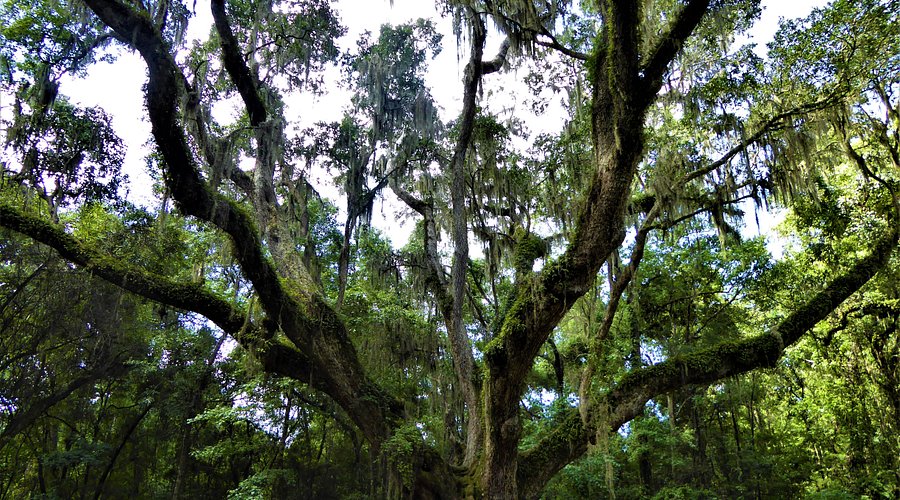
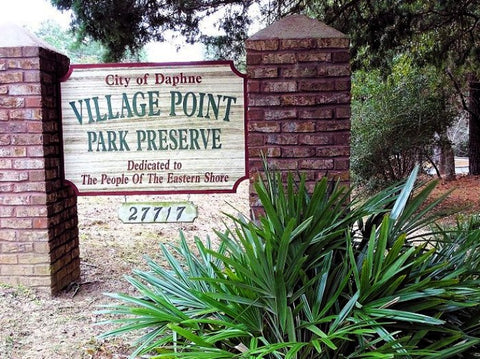
Village Point Park Preserve in Daphne, Alabama, preserves a stretch of Mobile Bay shoreline with a history extending from Native American use through French, British, and Spanish settlement, the D’Olive plantation era, and a community campaign to save the land from development. The modern preserve opened in 2002, but its cemetery, archaeological sites, and historic oak tell a much older story.
Native American use and “The Village”
Before European settlement, Native Americans used this part of the Eastern Shore. Archaeological investigations have recovered evidence of Indigenous activity as well as later European occupation. Local histories describe the area as a gathering and meeting place, although some of the more specific stories about those gatherings are traditions rather than firmly dated archaeological findings.
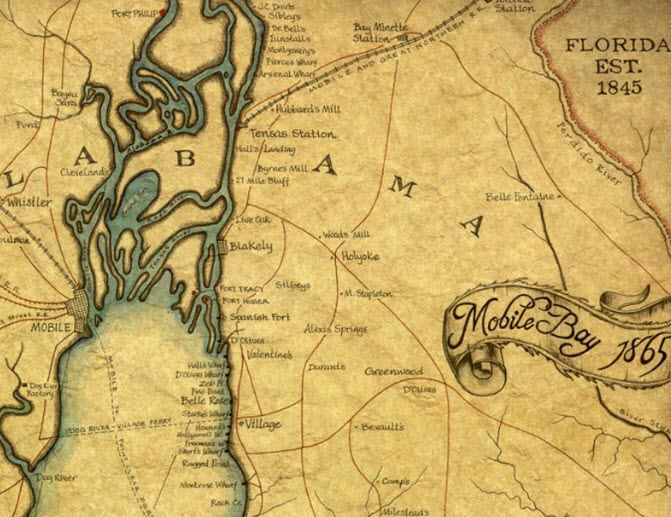
The park’s name comes from “The Village,” a colonial settlement associated with the early development of what became Daphne. The city traces its origins to French outposts established around Mobile Bay after the founding of French Mobile in 1702. By the second half of the eighteenth century, an outpost on the Eastern Shore had grown into the French Village. A 1766 account recorded approximately 17 plantations, 124 people, and more than 2,000 cattle in and around it.
Control of the surrounding region changed repeatedly:
In 1763, Britain gained control after the French and Indian War.
In 1780, Spain captured Mobile from Britain.
In 1781, British troops attacked a Spanish garrison at “The Village” and were repulsed. The city’s history cautions that the battle’s precise location is disputed; some place it farther north at Spanish Fort.
The D’Olive plantation and cemetery
A central chapter began in 1787, when Dominique D’Olive, a French immigrant, received a Spanish land grant that included the present park property. He lived in Mobile and had the Eastern Shore property managed by an overseer. His son Louis later took over the plantation, built the La Belle Rose Hotel, and operated agricultural, sawmill, and brickmaking enterprises. The city’s history credits Louis and his uncle Turner Starke with producing much of the brick used to build Fort Morgan.
This was also a plantation worked by enslaved people—not simply a family homestead. Both the city’s account and a later Mobile Baykeeper history document slavery there, although they give conflicting counts for the enslaved population in 1830.
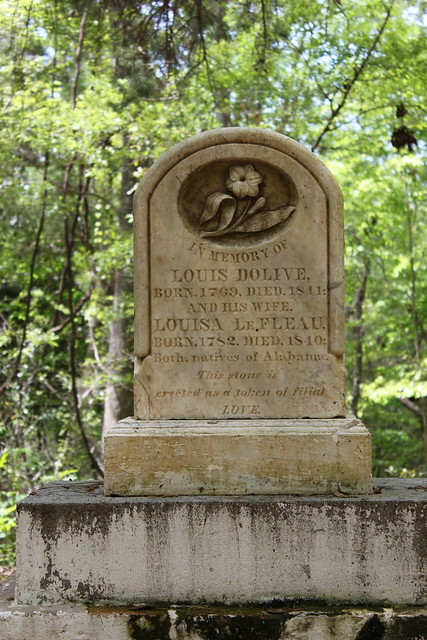
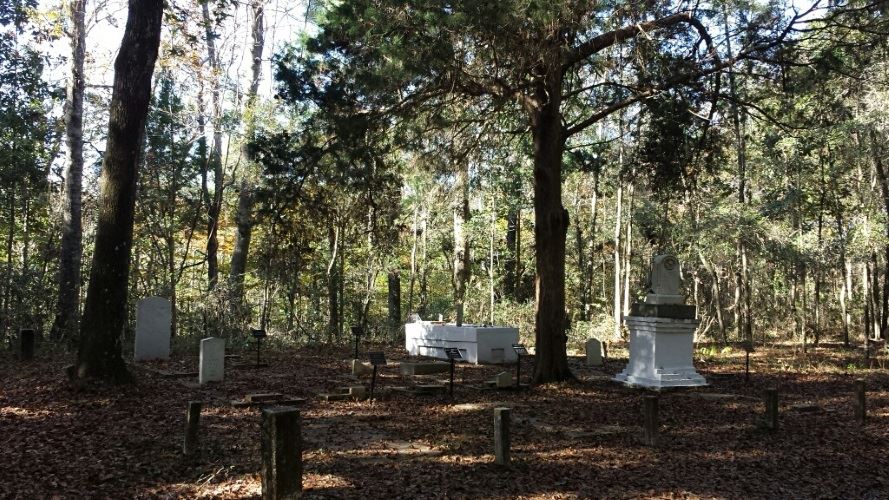
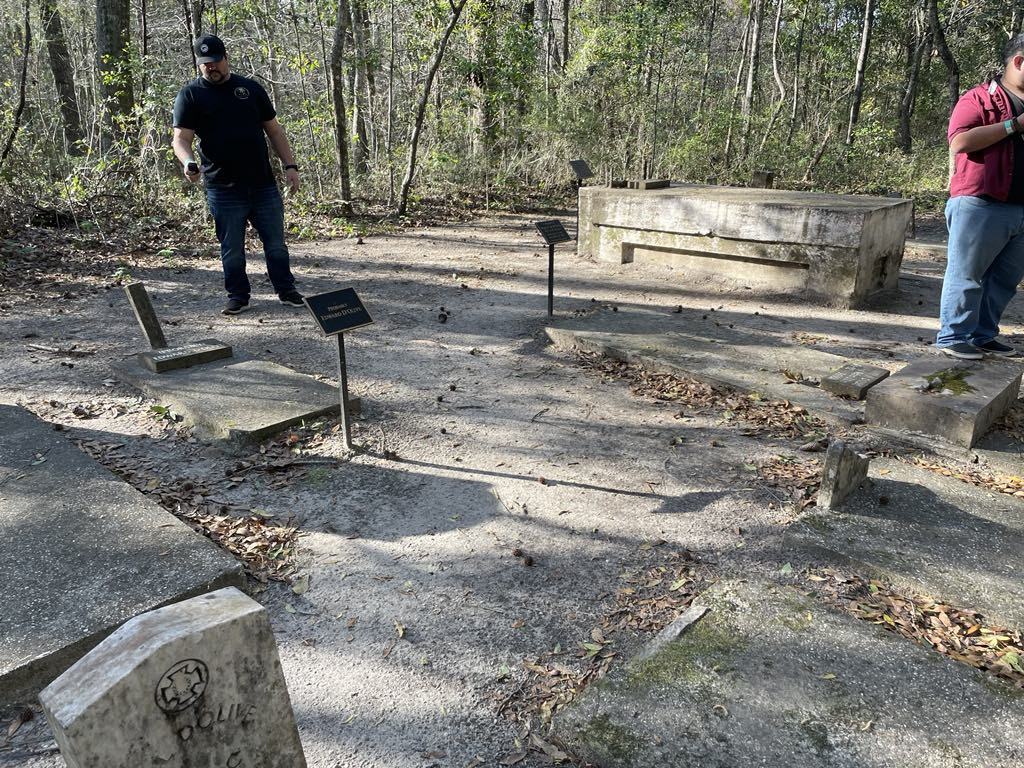
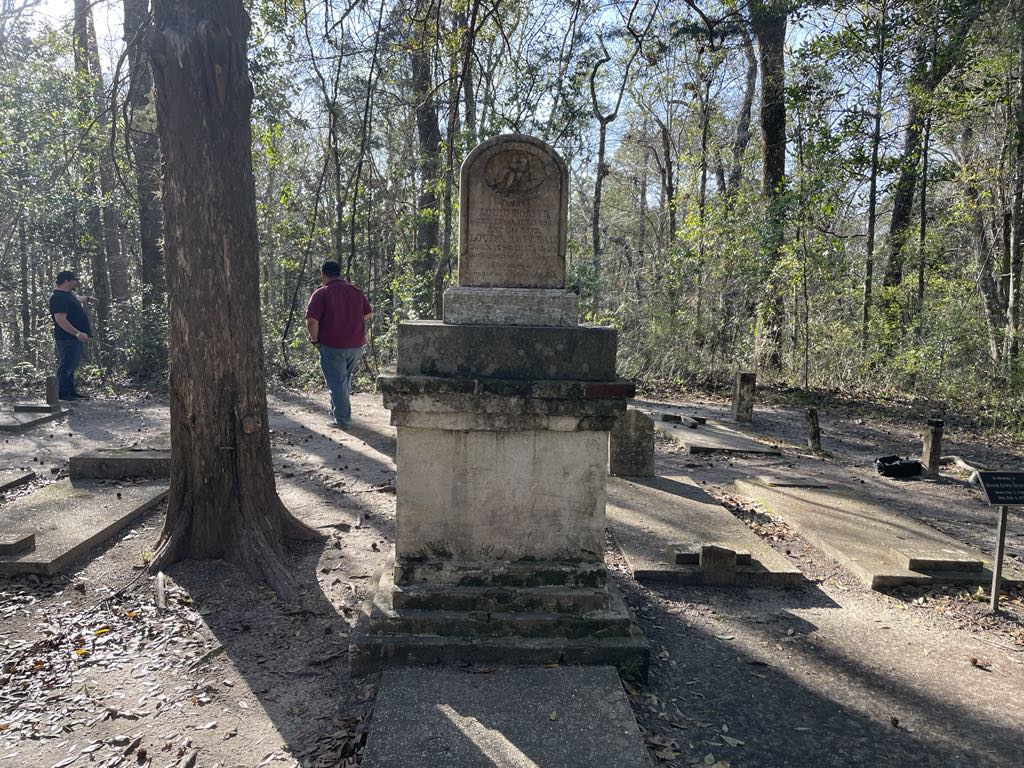
The D’Olive Cemetery is one of the most tangible surviving links to that period. It contains nineteenth-century graves, including some with French inscriptions, as well as unmarked burials whose total number is unknown. According to the city, the oldest marked grave belongs to Mary Blue, who died in 1826. Louis D’Olive, who died in 1841, is also buried there.